




Key Takeaways
- Maplewood Treatment Solutions offers short-term inpatient rehab in a 16-bed converted home in Merchantville, NJ, about 10 minutes from Cherry Hill.
- The program is for adults 18–55 who have completed detox, and a typical stay lasts 21–30 days.
- Every resident has one primary therapist, weekly individual therapy, and group therapy every day.
- Medication-assisted treatment can be continued or started on site, and co-occurring mental health conditions are treated at the same time.
- Maplewood is in-network with Horizon BCBS NJ, Aetna, Cigna, UnitedHealthcare/Optum, and other major carriers.
- Discharge planning starts on day one, and an alumni program keeps residents connected afterward.
Inpatient rehab in NJ doesn’t have to mean a hospital ward. At Maplewood Treatment Solutions, short-term residential treatment happens in a 16-bed converted home in Merchantville, NJ, where adults who have finished detox live on site and work through the patterns behind their substance use with a small, consistent team. Every stay is built around one goal: leaving prepared for what comes next.
What Is Inpatient Residential Treatment?
Inpatient residential treatment is a level of care where people live at the treatment center and follow a structured schedule of therapy, groups, and medical and psychiatric care. Maplewood provides ASAM Level 3.5, clinically managed high-intensity residential care: a structured residential setting for people who need more support than outpatient treatment can provide, but not hospital-level medical care.
In the continuum of care, residential treatment sits between detox and outpatient care. Detox handles physical withdrawal. Residential treatment is where the behavioral and emotional work of recovery starts. Outpatient care, such as a partial care program, an intensive outpatient program, or a therapist, helps people keep that progress going at home. Maplewood is not a detox facility, so residents arrive after completing detox and being medically cleared.
Maplewood is also a short-term residential treatment program. SAMHSA classifies short-term residential treatment as 30 days or fewer, and most stays at Maplewood fall within that range.
Who Is Inpatient Rehab at Maplewood For?
Inpatient rehab is usually the right step when outpatient care hasn’t been enough, or when home makes recovery too hard to start. Maplewood admits adults 18–55 whose primary diagnosis is a substance use disorder, and most often works with:
- adults who have just completed detox and need structure before going home
- people who relapsed during a partial care (PHP) or intensive outpatient (IOP) program
- people who keep relapsing and feel like nothing has worked
- young adults who are struggling to stay stable at home
- people coming from a hospital or crisis setting who are medically cleared and need a structured next step
- adults living with depression, anxiety, PTSD, or another mental health condition alongside addiction, through dual diagnosis treatment
- adults whose families have encouraged them to get help
A common situation: someone doing well in outpatient treatment quietly starts using again. Instead of starting over from scratch, they come to Maplewood for a few weeks of structure, rebuild their routine, and return to outpatient care with a stronger plan.
Some situations call for a different starting point, such as active withdrawal that needs detox or a psychiatric emergency. The admissions team can help you find the right place to start among our addiction treatment programs and outside providers.
How Long Is Inpatient Rehab at Maplewood?
A typical stay at Maplewood lasts 21–30 days. That’s long enough to settle in, do focused therapeutic work and build a real discharge plan. The exact length is set with your clinical team and depends on your progress and your insurance. If 21–30 days doesn’t work for your situation, our admissions team will work with you to find a solution.
| Stage | Typical timing | What happens |
|---|---|---|
| Arrival and assessments | Days 1–3 | Nursing assessment, medical history review, psychiatric evaluation, substance use history, and a first treatment plan with your primary therapist |
| Easing in | Rest of the first week | A lighter schedule, with groups added gradually; medications reviewed, adjusted or started; sleep, mood and cravings watched closely |
| Full program | Weeks 2–3 | Weekly individual therapy, daily groups, family therapy and practice with new coping skills |
| Preparing to leave | Final week | Discharge plan, outpatient referral, medication handoff and connection to the alumni program |
Timing shifts with each person. Some residents move into the full schedule within a few days; others need the whole first week.
What Happens During Your Stay?
Each resident works with one primary therapist from admission to discharge, meeting for individual therapy at least once a week and more often when clinically needed. Group therapy runs every day, using cognitive behavioral therapy (CBT), dialectical behavior therapy (DBT), motivational interviewing, psychoeducation, relapse prevention, process groups, and mindfulness.
Treatment centers on behavioral modification: noticing the patterns that lead to use and practicing different responses, with honest feedback from staff and peers. Positive reinforcement is part of that, so progress gets recognized, not just problems. All of Maplewood’s addiction treatment services come together in one plan.
A typical day at Maplewood looks like this:
7:00 – 11:00 AM
Morning
- Wake up between 7 and 9 AM
- Morning medications
- Catered breakfast and time with peers
- Morning check-in group with staff
- Clinical group: CBT, DBT, or motivational interviewing
11:00 AM – 2:00 PM
Midday
- Catered lunch
- Medications and vitals
- Rest and time with peers
2:00 – 5:00 PM
Afternoon
- Psychoeducational group
- Free time: game room, TV, and socializing
5:00 PM – Lights out
Evening
- Dinner
- Daily check-out group
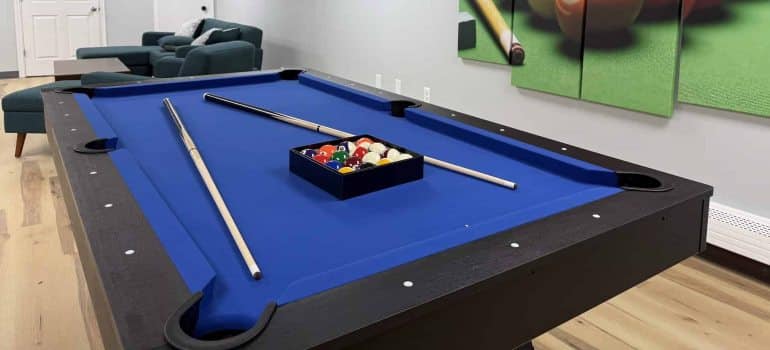
- Community time: pool table, games, and conversation
- Night medications and final check-ins
Schedules shift with each person’s treatment plan.
Medical and psychiatric care
Nursing staff is on site, with daily vitals and nursing assessments, and psychiatric nurse practitioners are on call. Medical care is overseen by Maplewood’s Medical Directors, Dr. Jeffrey H. Simon, MD, an addiction psychiatrist, and Dr. Edward W. Pearson, MD. Through psychiatric medication management, prescriptions for depression, anxiety, sleep problems, and other conditions are reviewed, continued, or adjusted.
Medication-assisted treatment with buprenorphine, naltrexone (Vivitrol), disulfiram, or acamprosate can be continued or started on site to reduce cravings and protect against relapse.
Life in the house
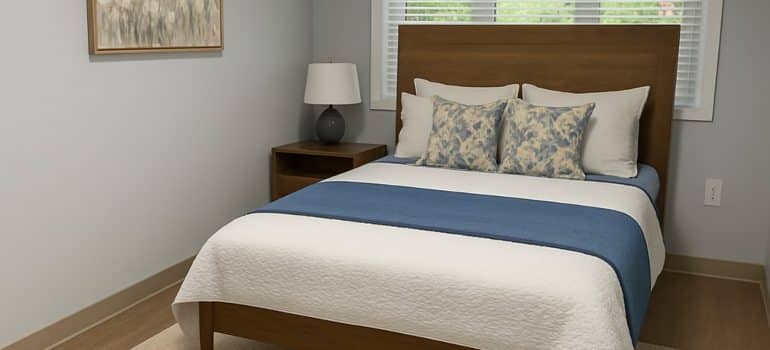
Maplewood is a converted single-family home with private and shared bedrooms, common rooms, a PlayStation room, a pool table, and a ping pong table for downtime. Meals are catered three times a day, with special diets accommodated. Residents also attend in-house H&I (Hospitals & Institutions) meetings, so recovery meetings already feel familiar by the time they go home.
Family involvement
Families can take part through family therapy, in person or virtually, in a private setting with a therapist. Visits are arranged when the clinical team approves them, so family time supports treatment instead of interrupting it.
Why Choose a Small Residential Program?
Maplewood was built small on purpose. With 16 beds, groups stay small, and staff work with every resident personally, which changes how treatment feels day to day:
- Issues are handled the same day they come up, without being passed between departments.
- Leadership is on site every day, so decisions don’t wait.
- Staff follow up to make sure problems are actually resolved.
- The setting feels like a home, which makes it easier to open up and engage.
Many people who come to Maplewood after a larger program describe feeling lost in the system there. A small house makes that much harder to happen.

Can Residential Treatment Help If You Keep Relapsing?
Relapse is common. According to the National Institute on Drug Abuse, relapse rates for substance use disorders are 40–60%, similar to other chronic illnesses such as hypertension and asthma. A relapse doesn’t mean treatment failed. It often means the plan needs to change.
For people who keep relapsing after outpatient care, short-term residential treatment changes several things at once:
- Time away from the people, places, and routines tied to use
- A close look at the patterns behind each relapse, with a therapist you see every week
- Treatment for co-occurring conditions that may be driving use
- Medication to reduce cravings, when it fits
- A discharge plan and alumni support that continue after the stay ends
No program can promise that a stay will prevent every relapse. The goal at Maplewood is to leave with a clearer understanding of your triggers and a plan built around them.
What Happens After Discharge?
Discharge planning starts on day one. Case managers help with housing, appointments, and insurance, and arrange referrals to step-down care near home: a partial care program, an intensive outpatient program, sober living, or a therapist and psychiatrist. If you’re on MAT, the team coordinates your prescription with your next provider so treatment continues after you leave.
Maplewood’s alumni program keeps residents connected afterward, with a weekly alumni group led by Alumni Coordinator Matt Morales, monthly check-in calls, quarterly outings, and a weekly 12-step alumni meeting launching soon.
How Do You Start Inpatient Rehab at Maplewood?
- Call (856) 485-9814 or verify your insurance online. The admissions team answers 24/7.
- Complete a free substance abuse evaluation by phone or in person, so the team can confirm inpatient rehab is the right fit.
- Plan your arrival day. Transportation can be arranged, and you’ll go through each step of the admissions process, including what to bring, before you arrive.
If you still need detox, the admissions team can help you find a licensed detox provider and plan your move to Maplewood afterward.
Start Short-Term Inpatient Rehab in NJ
If you or someone you love needs inpatient rehab in NJ, Maplewood Treatment Solutions offers short-term residential treatment in a small, home-like setting in Merchantville, with a plan for life after the stay. Contact our admissions team or call (856) 485-9814 to talk through your options.
Frequently Asked Questions About Inpatient Rehab at Maplewood
How long is inpatient rehab at Maplewood?
A typical stay at Maplewood Treatment Solutions lasts 21–30 days. The clinical team sets the exact length based on your progress and insurance, and if that range doesn’t fit your situation, the admissions team will work with you on a solution.
Does Maplewood offer detox?
No. Maplewood is a residential treatment program, not a detox facility. Residents arrive after completing detox and being medically cleared, and the admissions team can help you find a licensed detox provider first.
Does insurance cover inpatient rehab at Maplewood?
Maplewood is in-network with Horizon BCBS NJ, Aetna, Cigna, UnitedHealthcare/Optum/United Behavioral Health, and many others. Coverage depends on your plan, so your insurance for rehab is verified before admission. Self-pay is available, and Maplewood does not accept Medicaid or Medicare.
Can family visit during inpatient rehab?
Yes, when the clinical team approves it. Visits don’t follow a fixed schedule, and families can also take part in family therapy, in person or virtually.
Can I keep taking my MAT medication at Maplewood?
Yes. If you arrive on buprenorphine (such as Suboxone or Sublocade) or naltrexone (Vivitrol), Maplewood’s providers can continue it or adjust the dose. If you’re not on MAT yet, they can start it when it’s clinically appropriate.
What happens after I leave Maplewood?
Before discharge, case managers arrange step-down care near home, such as a partial care or intensive outpatient program, sober living, or a therapist and psychiatrist. Residents can also join Maplewood’s alumni program, which includes a weekly alumni group and monthly check-in calls.
Sources
- National Institute on Drug Abuse. (2026, March 9). Drugs, brains, and behavior: The science of addiction. Treatment and recovery. https://nida.nih.gov/publications/drugs-brains-behavior-science-addiction/treatment-recovery
- American Society of Addiction Medicine. About the ASAM Criteria. https://www.asam.org/asam-criteria/about-the-asam-criteria
- Substance Abuse and Mental Health Services Administration. National Survey of Substance Abuse Treatment Services (N-SSATS): 2010, Chapter 1 (definitions of short-term and long-term residential treatment). https://www.samhsa.gov/data/sites/default/files/NSSATS2010_Complete/2k10nssats/NSSATS2010Chp1.htm
Medically reviewed by Dr. Jeffrey H. Simon, MD, Medical Director at Maplewood Treatment Solutions. View full profile
Centrally located in South Jersey
Inpatient Rehab for South Jersey & the Philadelphia Area
Adults come to Maplewood’s short-term inpatient program from across Camden County and the wider region, including:
- Merchantville
- Cherry Hill
- Pennsauken
- Camden
- Collingswood
- Haddonfield
- Camden County
- Greater Philadelphia