Accepting new patients in South Jersey, most insurance plans accepted.

📞 Call (856) 485-9814

Residential Stabilization · Merchantville, NJ

Inpatient Residential Stabilization in South Jersey

The critical first step in recovery, medical and psychiatric stabilization in a safe, structured residential environment before deeper clinical work begins.

24/7Medical and psychiatric monitoring
7-14Typical stabilization period (days)
100%Individualized treatment planning

Understanding Residential Stabilization

From Crisis to Stable Ground: What Residential Stabilization Does

Inpatient residential stabilization is a short-term, medically supervised level of care designed for individuals who need to become physically and psychiatrically stable before engaging in intensive addiction treatment. At its core, Maplewood Treatment Solutions, our stabilization program serves as the critical bridge between crisis and recovery.

Often, many people entering treatment arrive in acute distress, whether from recent substance use, withdrawal symptoms, co-occurring mental health crises, or transitions from hospitals and emergency rooms. In these situations, stabilization provides the structured, monitored environment necessary to safely reach a baseline where, ultimately, deeper therapeutic work becomes possible.

Additionally, our residential stabilization program in South Jersey is staffed around the clock by licensed medical and clinical professionals. Furthermore, we serve individuals from Cherry Hill, Camden County, Burlington County, Gloucester County, and the greater Philadelphia area.

A physician in a white lab coat writing intake notes on a clipboard while seated beside a patient during a medical assessment at an inpatient residential stabilization program in New Jersey

Is This Program Right For You?

Is Residential Stabilization the Right Starting Point for You?

Not everyone entering addiction treatment requires stabilization; however, for those who do, it can be the difference between a safe start and a dangerous one. In these cases, residential stabilization at Maplewood Treatment Solutions is designed for individuals who meet one or more of the following criteria:

Recently completed medical detoxYou have finished detoxification but are not yet stable enough for intensive residential treatment. In this stage, stabilization provides continued monitoring and medication management during this particularly vulnerable transition period. 
Psychiatric medication evaluation neededYou require initiation, adjustment, or close monitoring of psychiatric medications before beginning intensive therapy. Our psychiatrists work to find the right medication regimen in a controlled setting.
High medical or psychiatric complexityYou present with conditions that require more intensive professional monitoring than standard residential treatment provides, including co-occurring medical issues or acute psychiatric symptoms. Or maybe you have been in treatment or recovery and have had a recent relapse and would like to get stabilized before it gets worst. 
Transitioning from a hospital or crisis settingYou are being discharged from an inpatient psychiatric unit, emergency room, or crisis stabilization unit and need a step-down to residential care with continued close monitoring.
At risk without structured supervisionYour clinical presentation indicates that returning to an unstructured environment would put your safety or recovery at risk. Stabilization provides the containment needed to reach baseline.

Ready to take the first step? Our admissions team is available now to walk you through the process and verify your insurance, with no obligation.

Start Admissions Process →

The Stabilization Process

More Than Monitoring: What Actually Happens During Stabilization At Maplewood Treatment in Merchantville, NJ.

Stabilization is not passive observation. It is an active, clinically driven process designed to prepare you for the next phase of treatment. At Maplewood Treatment Solutions, our stabilization program includes:

🩺

Comprehensive Medical Assessment

Full physical examination, laboratory work, and medical history review to identify any conditions that may affect treatment or require ongoing management.

🧠

Psychiatric Evaluation

Diagnostic assessment by our psychiatry team to identify co-occurring mental health conditions and develop an appropriate medication plan if indicated.

💊

Medication Management

Initiation, adjustment, or continuation of medications for substance use disorder, mental health conditions, or both, with daily monitoring for efficacy and side effects.


📋

Individualized Treatment Planning

Development of a personalized care plan that outlines clinical goals, anticipated length of stay, and recommended next steps in the treatment continuum.

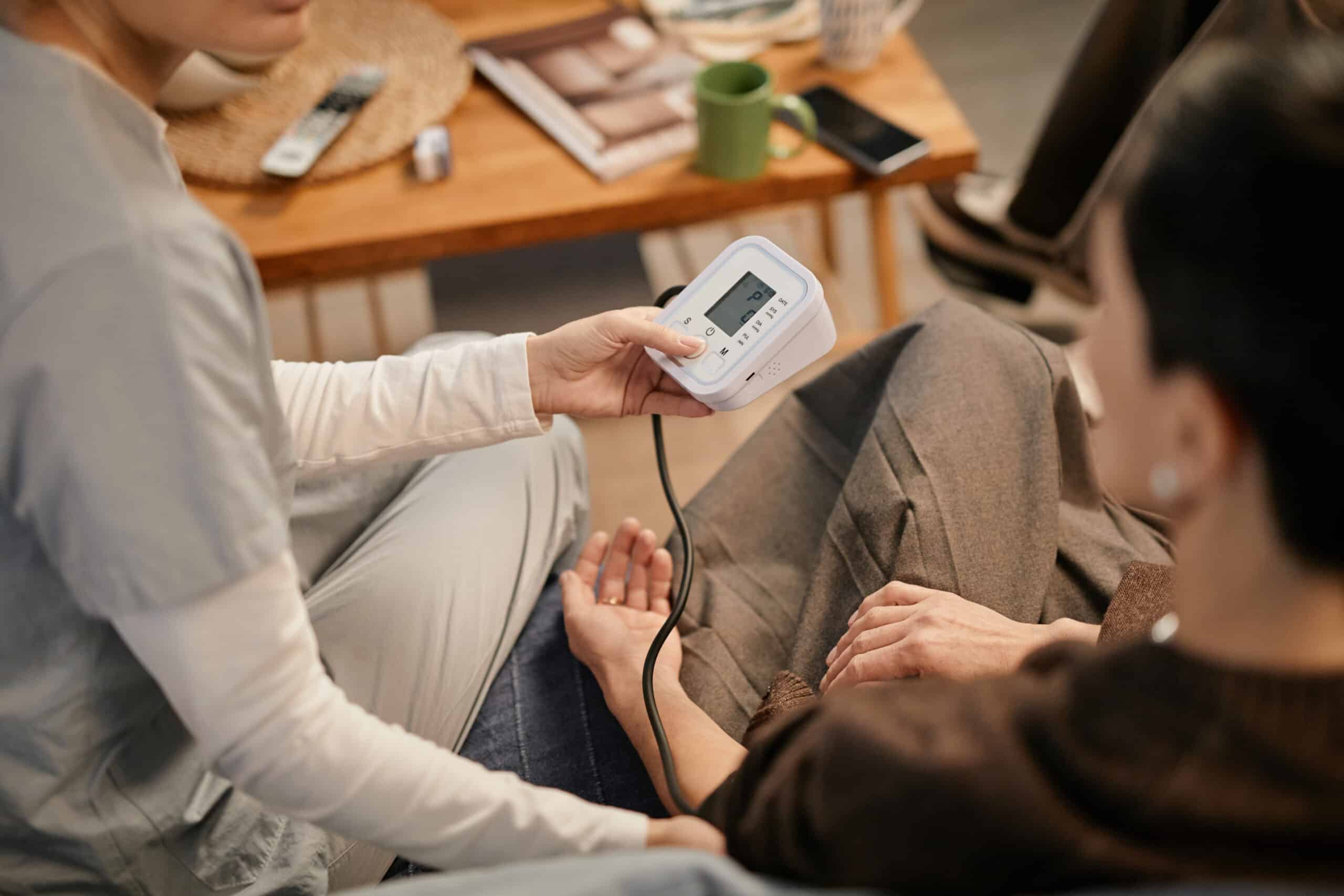
A clinical staff member taking a patient's blood pressure using a digital monitor during vital signs monitoring at an inpatient residential stabilization program in South Jersey, New Jersey

“The goal of stabilization is not to treat addiction in its entirety, but to create the medical and psychiatric foundation upon which effective treatment can be built.”

Your First Days in Care

Your First Few Days: A Clear Look at the Stabilization Process At Maplewood Treatment Solutions In Merchantville, NJ.

The stabilization phase typically lasts 7 to 14 days, however, length of stay is determined by clinical need rather than a fixed schedule. With that in mind, here is what a typical progression looks like:

If you have additional questions about what the admissions process looks like? Visit our admissions page or speak with someone directly at (856) 485-9814. Additionally, you can also get to know the clinical team who will be guiding your care.

 
1

Intake and Assessment (Day 1)

Complete medical exam, psychiatric screening, substance use history, and initial treatment planning. Vitals monitoring begins immediately.

2

Acute Stabilization (Days 2-5)

Close monitoring of withdrawal symptoms, medication adjustments, sleep regulation, and nutritional support. Daily check-ins with nursing and medical staff. Attendance of a few groups per day to stay in a routine.

3

Clinical Integration (Days 6-10)

As medical stability improves, gradual introduction to increased group programming, individual therapy sessions, and treatment community participation.

4

Transition Planning (Days 10-14)

Finalization of treatment plan, preparation for step-up to full residential programming or appropriate alternative level of care based on progress and clinical need.

Why Choose Maplewood

Why South Jersey Families Choose Maplewood for Stabilization

Located in Merchantville, New Jersey, Maplewood Treatment Solutions provides residential stabilization for adults struggling with substance use disorders and co-occurring mental health conditions. In particular, our program is designed specifically for the critical early phase of recovery when, most importantly, medical and psychiatric attention are most needed.

🏥

Medical Expertise On-Site

24/7 nursing coverage with physician oversight. Psychiatry services integrated into daily care for immediate medication needs.

📍

Serving South Jersey

Conveniently located for families from Cherry Hill, Camden, Voorhees, Haddonfield, and the greater Philadelphia region.

🔄

Seamless Continuum of Care

Stabilization connects directly to our residential treatment and co-occurring programs, with no facility transfers required.

Insurance Accepted

We accept most major insurance plans. Our admissions team handles verification so you can focus on getting well.

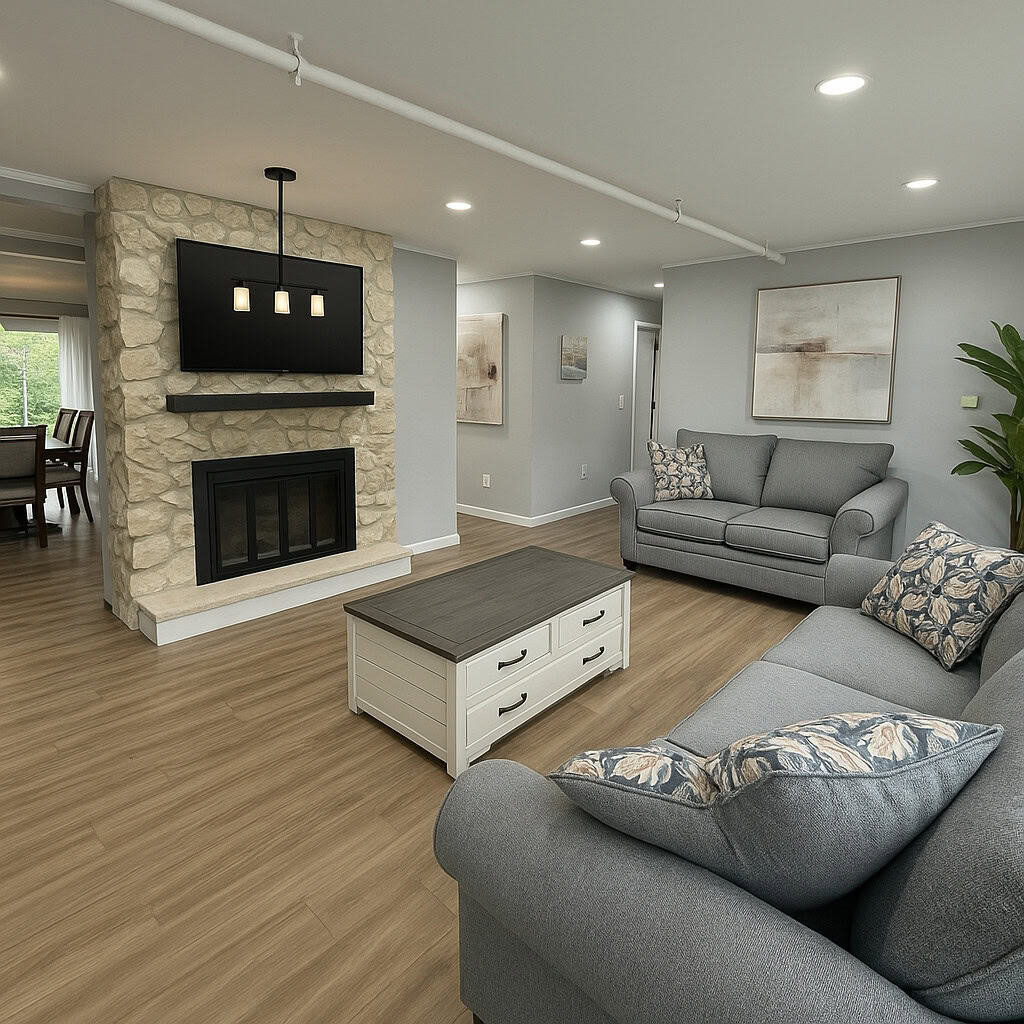
The welcoming residential facility at Maplewood Treatment Solutions in Merchantville, New Jersey, serving South Jersey and the greater Philadelphia area

Clinical Oversight

Written and Reviewed by the People Who Do This Work Every Day

This page was written and reviewed by licensed clinical and medical professionals with direct expertise in addiction medicine and residential treatment. Meet our full team →

Clinical Contributor & Reviewer

Marcus Joseph

LAMFT, LCADC, CCS

Marcus Joseph is a licensed associate marriage and family therapist, licensed clinical alcohol and drug counselor, and certified clinical supervisor. His clinical background includes residential treatment program development, integrated care for co-occurring disorders, and clinical staff training.

Medical Contributor & Reviewer

Dr. Edward Pearson, MD

ABIHM

Dr. Pearson is board-certified in integrative and holistic medicine. His approach to stabilization and addiction treatment incorporates evidence-based medical care with attention to whole-person wellness, including the physiological factors that affect early recovery.

Frequently Asked Questions

Real Answers to the Questions Families Ask Most

These are common questions we hear from individuals and families considering residential stabilization. If your question is not answered here, call us directly at (856) 485-9814.

Medical detox is focused specifically on safely managing higher acuity withdrawal from substances. Stabilization is the next phase, assuming withdrawal has been managed and focusing on achieving medical and psychiatric baseline stability before intensive treatment begins. Some individuals complete detox and move directly to residential treatment; others require a stabilization period first.

Most stabilization stays range from 7 to 14 days, though the exact length is determined by clinical progress rather than a fixed schedule. Some individuals stabilize quickly and transition to full residential programming within a week; others with more complex presentations may require additional time. Your treatment team will assess readiness on an ongoing basis.

Stabilization includes some group therapy, individual clinical sessions and supportive counseling. As your condition improves, you will be gradually be introduced to higher intensity group programming and individual therapy sessions to prepare you for your discharge plan. 

Yes, most commercial insurance plans and Medicaid cover residential stabilization services under mental health and substance use disorder parity laws. Maplewood doesn’t accept Medicaid at this time, but if you have Medicaid and need help, you can find a program at samsha.gov. Coverage specifics vary by plan. Our admissions team can verify your benefits before arrival.

Upon completion of stabilization, most individuals step up to our full residential treatment program or co-occurring residential program depending on their clinical needs. If you have a different treatment plan in place then our clinical team and case managers will assist you with following through with that plan if appropriate.

Family involvement is highly encouraged when clinically appropriate. During the initial stabilization phase, visitation may be limited to allow you to focus on reaching medical and psychiatric stability. As you progress, family visits and communication increase. Our clinical team will discuss family programming options with you during your stay.

Yes. While we primarily serve individuals from South Jersey communities including Cherry Hill, Camden, Voorhees, Marlton, and the Philadelphia area, we accept patients from throughout New Jersey and neighboring states. For some individuals, receiving treatment away from their home environment can be clinically beneficial.

Take the First Step Today

The First Step Is the Hardest. We Make It Easier.

If you or someone you love needs a safe, medically supervised environment to stabilize before beginning addiction treatment, our team is ready to help. Call us to discuss your situation, verify insurance, or schedule an assessment.

Have questions? Our admissions team is available now, no obligation.

📞 Call (856) 485-9814

SOURCES & CLINICAL REFERENCES

  1. Substance Abuse and Mental Health Services Administration (SAMHSA). (2024). Levels of Care in Substance Use Disorder Treatment. Treatment Improvement Protocol (TIP) Series. samhsa.gov
  2. American Society of Addiction Medicine (ASAM). (2024). ASAM Criteria for Addiction Treatment. asam.org
  3. National Institute on Drug Abuse (NIDA). (2023). Principles of Drug Addiction Treatment: A Research-Based Guide. National Institutes of Health. nida.nih.gov
  4. New Jersey Division of Mental Health and Addiction Services. (2024). Licensed Treatment Facility Standards. NJ Department of Human Services.